Supplier Foot Valve Jakarta
Supplier Foot Valve Jakarta | A Foot Valve, also known as a Suction Valve, is an essential component in piping and pumping systems used to regulate the flow of fluids such as water, chemicals, and other liquids. It is designed to allow fluid to flow in one direction into the pipeline while preventing unwanted backflow.
Typically installed at the suction end of a pump, a Foot Valve helps maintain system efficiency, protects equipment, and ensures a continuous flow of fluid.
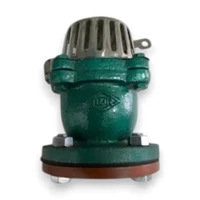
Benefits of Foot Valves
Prevents Backflow
Foot Valves are specifically designed to stop reverse flow, ensuring smooth and uninterrupted fluid movement throughout the piping system.
Maintains System Pressure
By preventing fluid from flowing back to the source, Foot Valves help maintain proper pressure within the system and protect pumps and other equipment from damage.
Reduces the Risk of Cavitation
Foot Valves help minimize cavitation, which is the formation of air bubbles within the fluid stream. Cavitation can negatively affect pump performance and reduce system efficiency.
Types of Foot Valves
1. Plastic Foot Valve
Manufactured from corrosion-resistant plastic materials, making it ideal for applications involving chemicals and corrosive fluids.
2. Metal Foot Valve
Constructed from stainless steel, cast iron, or other durable metals, providing excellent strength and resistance to high pressure and harsh operating environments.
3. Automatic Foot Valve
Equipped with an automatic mechanism that opens and closes based on pressure changes within the system, ensuring efficient flow control.
Industrial Applications
Foot Valves are widely used across various industries, including:
Agriculture Industry
Used in irrigation systems to control water flow from the source to agricultural fields, helping optimize water usage and maintain consistent flow rates.
Oil & Gas Industry
Applied in oil well drilling, pumping systems, and pipelines to control fluid flow and prevent backflow that could damage critical equipment.
Chemical Industry
Corrosion-resistant Foot Valves are commonly used to handle chemicals safely, regulate flow, and prevent cross-contamination.
Fire Protection Systems
Installed in hydrant and firefighting systems to ensure water flows only toward the fire suppression point and does not return to the main supply system.
Water and Wastewater Treatment
Used in water pumping stations and wastewater treatment facilities to maintain smooth fluid flow and prevent contaminants from entering the system.
Marine Industry
Commonly utilized in seawater pumping, cooling systems, and onboard piping networks to protect equipment from damage caused by reverse seawater flow.
Refining Industry
Used in petroleum refineries to control the flow of fuels, chemicals, and other process liquids during production operations.
Food & Beverage Industry
Helps maintain hygienic fluid handling processes and prevents contamination in food and beverage production systems.
Chemical Manufacturing
Used to safely control the flow of hazardous chemicals and maintain process safety in chemical production facilities.
Selection Considerations
Choosing the right Foot Valve is essential for achieving optimal system performance and reliability. Factors such as fluid type, operating pressure, temperature, flow requirements, and environmental conditions should be carefully considered when selecting the valve material and design.
A properly selected Foot Valve can improve system efficiency, extend equipment life, reduce maintenance costs, and ensure safe and reliable operation.
