Piston valves are one form of valve used to control the flow of steam within a steam engine or locomotive. They control the admission of steam into the cylinders and its subsequent exhausting, enabling a locomotive to move under its own power. The valve consists of two piston heads on a common spindle moving inside a steam chest, which is essentially a mini-cylinder located either above or below the main cylinders of the locomotive. A piston valve is a device used to control the movement of fluid along a tube or pipe by using a linear motion of the piston in the chamber or cylinder.
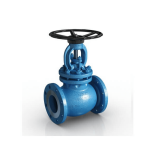
The main advantages of piston valves include:
Zero Leakage: The piston provides a very tight seal against the atmosphere and inside the bore (leakage grade A).
Extreme Temperature & Pressure Resistance: Highly reliable for high temperature applications such as steam, gas, and heat transfer oils.
Minimal Maintenance: The design that does not use a conventional seat reduces the potential for wear, thus reducing production and maintenance costs.
Fast Response: The linear movement of the piston provides a fast response.
Ideal for Heavy Fluids: Very suitable for controlling difficult, critical, or hazardous media
